Container gardening · USDA zones 3–11
Find out what you can actually plant this month — on a balcony, a patio, or one window.
Most planting guides tell you to "sow after last frost" and leave you to work out what that means. Enter your hardiness zone and we calculate the real dates for 12 productive container crops: when to start seed indoors, when to move plants out, and when you actually eat.
No signup, no email required. Everything below runs in your browser.
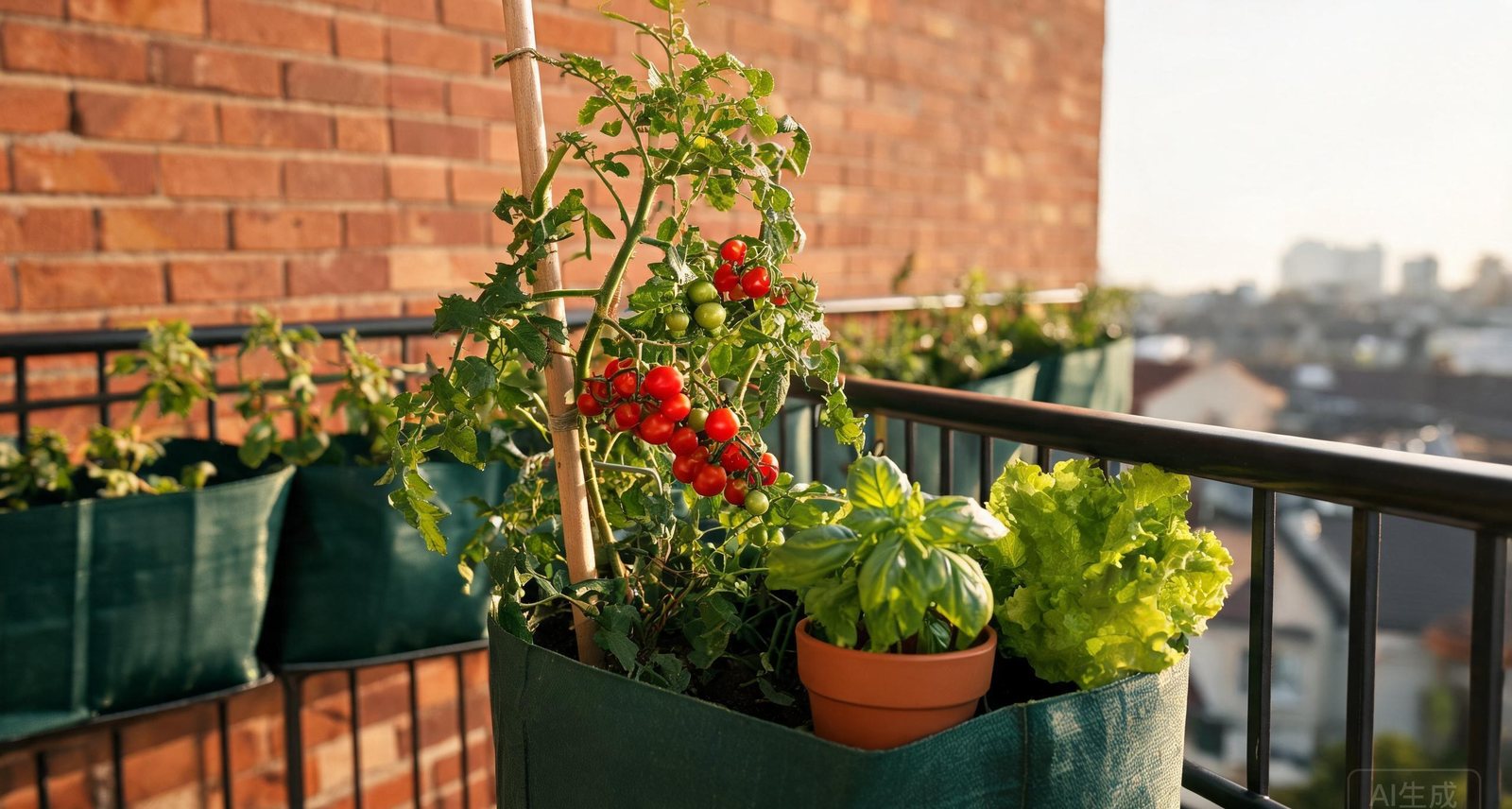
Why this calendar is different
Dates, not vague advice
Every crop is stored as an offset from your zone's last frost date. The site does the arithmetic and shows an actual window — for example "start indoors Feb 20 – Mar 6" — instead of telling you to "plant in spring".
Container-first
Every entry lists the minimum pot size in gallons and the soil depth needed. A crop that needs 7 gallons is useless advice if you have a 2-gallon balcony rail planter, so we say so up front.
Two seasons, not one
Spring gets the attention, but fall is easier: fewer pests, less watering, and cool crops that taste better after frost. The calendar shows both sowing windows for anything that supports one.
Start with these
All 12 cropsGuides
All guidesHow the dates are calculated
Each crop in our dataset carries four numbers: weeks before last frost to start seed indoors, weeks after last frost to transplant, weeks after last frost to direct sow, and weeks before first frost for a fall sowing. We combine those with a typical last and first frost date for your zone. The result is reproducible, and it is the reason the same crop shows a different calendar three zones apart.
The frost dates are averages, not predictions. Ten miles inland from a coast, or thirty feet higher on a hill, can move your real last frost by two weeks. Use our dates as a plan and your own microclimate as the authority.
Read the full method